
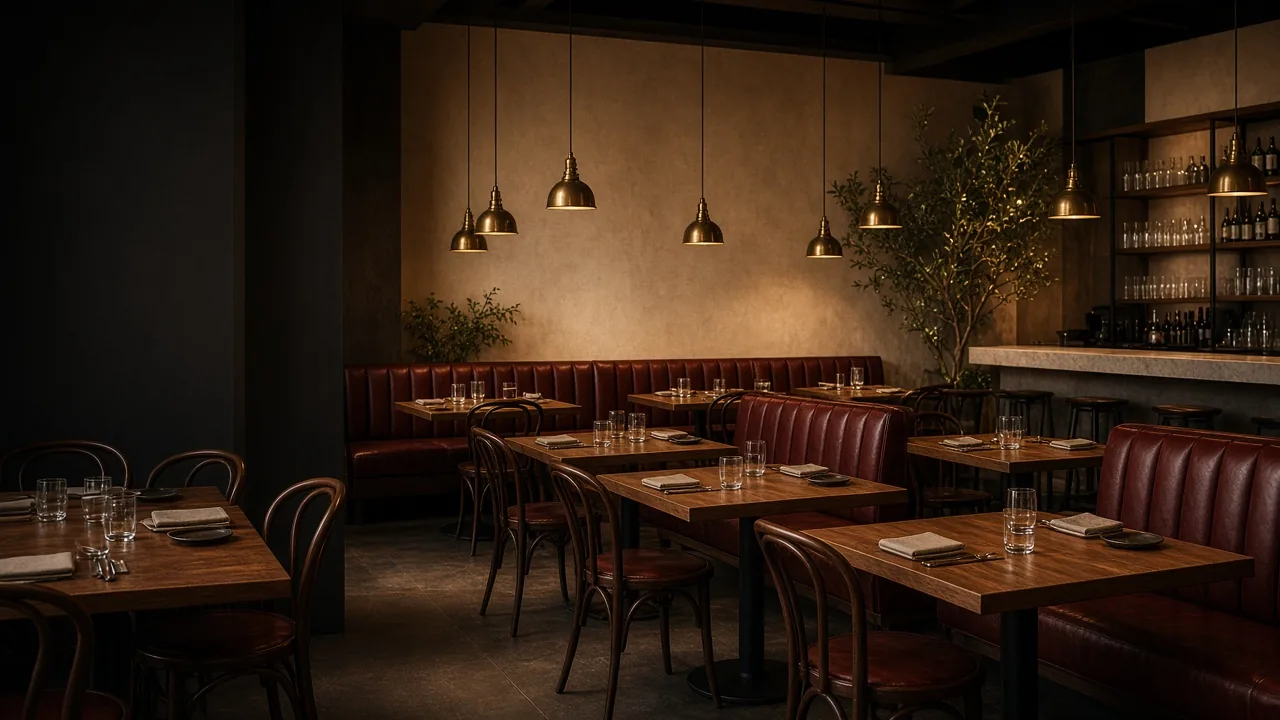
Restaurant Real Estate in New Jersey
Restaurant real estate is about more than space. It is about visibility, access, zoning and long-term viability.
Locations that work on opening day and after
I represent restaurant owners, operators and investors across New Jersey in purchasing, selling and leasing restaurant properties.
I understand the pressure of restaurant timelines and work efficiently to align location, layout and financial considerations with your business goals.
Restaurant property types
- Standalone restaurant buildings
- Turnkey restaurant spaces
- Retail strip food locations
- Restaurant investment properties
- Liquor store and restaurant sites
Services
- Buyer and seller representation
- Restaurant lease negotiations
- Site selection and market positioning
- Zoning and permitted-use review
- Contract coordination and closing support
Selling the restaurant property itself? See pricing and marketing for sellers.
Ideal for
- New restaurant ownersFirst locations, with the approval path mapped from day one.
- Expanding restaurant groupsAdditional sites that fit a proven concept.
- Franchise operatorsSites measured against brand requirements.
- InvestorsFood service properties evaluated on lease and tenant strength.
The site, the systems and the approvals
Visibility and access
Frontage, signage, parking, delivery access and how customers arrive.Zoning and use
Whether a restaurant is permitted, with its parking, outdoor dining and hours conditions.Kitchen infrastructure
Hood and fire suppression, grease interceptor, gas, electrical, HVAC and walk-ins.Health department review
Plan review before building, converting or remodeling, plus the certificate of occupancy.Liquor license questions
Whether a license is available or transferable in the town, through the municipal process.Lease terms
Use clause, exclusives, build-out rent abatement, venting, grease and assignment rights.
The Restaurant Site Readiness Review
Before you sign, know whether a site can open on your timeline, and what stands in the way.
No obligation. Your details stay confidential.
What you receive
- A site checklist: visibility, parking, delivery access and utilities
- An approval path outline: zoning, health department plan review and certificate of occupancy
- Liquor license questions to raise with the municipality and your attorney
- A lease clause checklist for your attorney’s review
- A timeline from signing to opening
Restaurant Site and Lease Checklist
What to confirm before you commit to a space.
- Kitchen infrastructure and utilities
- Zoning, health and permit steps
- Lease clauses that protect operators
Restaurant real estate: your questions
How do liquor licenses work in New Jersey?
Retail liquor licenses are issued by each municipality’s issuing authority, with oversight by the State Division of Alcoholic Beverage Control. A municipality may issue a new retail consumption license only while it has fewer than one such license per 3,000 residents, or fewer than one retail distribution license per 7,500 residents, so in many towns licenses change hands through transfers rather than new issuance. Ask the municipal clerk what is available in the town you are considering.
Can a liquor license transfer with a restaurant sale or a new location?
A person-to-person transfer is started by the buyer with an application to the municipality, and a place-to-place transfer moves a license to new premises. The current licensee must obtain a Tax Clearance Certificate from the Division of Taxation, and the municipality approves the transfer by resolution, which cannot be made contingent on the sale of real estate or a business. Plan the real estate timeline around the license process with your attorney.
What approvals are needed before building out a restaurant?
Before a retail food establishment is built, converted or remodeled, plans and specifications must be submitted to the local health authority, which responds within 30 days. No construction may proceed except under plans approved by the health and construction authorities. A change of use also requires a new certificate of occupancy.
What should I check in a turnkey or second-generation restaurant space?
Confirm the condition and code compliance of the kitchen hood and fire suppression system, grease interceptor, gas and electrical service, HVAC, walk-ins and restrooms, and whether the equipment is included. Existing equipment can save time and cost, but your plans may still need health department and construction approval if you change the layout or the type of operation.
What lease terms matter most for a restaurant?
A use clause that covers your concept, exclusive-use protection, hours, venting and grease responsibilities, outdoor seating, signage, parking, rent abatement during build-out and permitting, assignment rights if you sell, and how a liquor license is treated. Your attorney reviews the final lease.
Does zoning affect where I can open a restaurant?
Yes. Municipal zoning controls whether a restaurant is permitted at a location and often sets parking, outdoor dining and hours conditions. Confirm with the zoning officer before committing, and if a variance is needed, factor the zoning board of adjustment timeline into your contingencies.
Do restaurants have to meet accessibility requirements?
Yes. A restaurant or bar is a place of public accommodation under the Americans with Disabilities Act. Evaluate entrances, seating, restrooms and routes through the space, and make sure the lease states who handles any accessibility work.
Is a bulk sale notice required when I buy an existing restaurant?
Usually. Buying a restaurant’s business assets, such as equipment, inventory and goodwill, is a bulk sale, so the buyer files Form C-9600 with the Division of Taxation at least 10 business days before closing. Liquor license transfer certificates are handled separately by the Division’s license verification unit.
General information, not legal or tax advice. Rules change and every transaction is different. Please consult your New Jersey attorney, accountant or tax professional about your situation. Last reviewed October 31, 2026.
Sources (retrieved October 31, 2026):
- NJ Division of Alcoholic Beverage Control, Municipal Handbook (opens in a new tab)
- N.J.A.C. 8:24-9.1, retail food establishment plan review (opens in a new tab)
- N.J.A.C. 5:23-2.6, change of use and certificate of occupancy (Uniform Construction Code) (opens in a new tab)
- N.J.S.A. 40:55D-70, Municipal Land Use Law, zoning board of adjustment powers (opens in a new tab)
- 28 CFR 36.104, ADA Title III definitions (places of public accommodation) (opens in a new tab)
- NJ Division of Taxation, Bulk Sale Notification FAQ (Form C-9600) (opens in a new tab)
- NJ Division of Taxation, Form C-9600 Notification of Sale, Transfer, or Assignment in Bulk (opens in a new tab)
Areas served
East Brunswick · Edison · South Brunswick · North Brunswick · Monroe · Old Bridge · Piscataway · Metuchen · Spotswood · Helmetta · Iselin · and communities throughout New JerseyA few of the towns I work in, from an office in East Brunswick. Looking elsewhere in New Jersey? Just ask.
Searching for the right restaurant location in New Jersey?
Schedule a consultation to discuss availability, zoning and next steps.
- Call or text(973) 874-9382
- Emailcontact@shwetapatil.com
- OfficeWeichert Realtors, 431 Rt. 18, East Brunswick, NJ 08816
What happens next
- You share your goals and how you’d like to be contacted.
- I review your details and reach out personally.
- We map out your options. No pressure, no obligation.
Request your Site Readiness Review
A few details so I can prepare. Fields marked * are required.
Your details are used only to respond to your inquiry. Please don’t include sensitive information such as Social Security, bank or account numbers. See the privacy policy. Equal Housing Opportunity.